

Your Complete Safari Packing Checklist
So, you’ve booked a safari. First of all — amazing decision, especially if you booked with me :D. Now comes the part that sends even seasoned travelers into a mild panic: figuring out what to actually put on your safari packing checklist.
I’ve helped a lot of people prep for bucket-list trips (like my Antarctica packing list!), and I
can tell you that putting together a solid packing list for safari is genuinely different from packing for
any other kind of trip. You’re not just thinking about weather — you’re thinking about game drives at
dawn when it’s shockingly cold, dusty afternoon drives when it’s shockingly hot, and evenings around
the fire when it somehow manages to be both. Layering is your best friend out there, and what you
bring (and what you leave behind) really does matter.
That’s exactly why I put together this safari packing checklist (PDF at the bottom to download!) — so you can stop second-guessing yourself and start getting excited. Whether you’re heading to the Serengeti, Kruger, Botswana, or
somewhere equally incredible, this safari packing guide covers everything you need to know, from
the clothes on your back to the gear in your bag.
I’ve also left off the obvious stuff like toothpaste and your everyday toiletries — you’ve got that covered! The numbers in parentheses are the minimum suggested quantities, so add more if you know yourself. Most lodges offer laundry, which is a lifesaver.
One very important rule before we dive in: stick to neutral colors throughout — khaki, olive, tan,
gray, light brown. Avoid white and bright colors on game drives. Wildlife notices movement and color
more than you’d think, and you want to blend in, not stand out! That’s not just for the larger animals, but animals like bugs also love colors like black, dark blue/navy, and bright, vibrant colors. However, that might also depend on season.
1. National Geographic Safari Reivew
2. South Africa Budget
Outer Layers
-
-
- Light jacket/sweater (1-2)
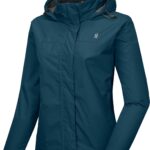
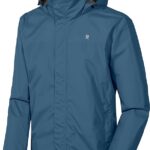
- Light rain jacket (1)
- Pants (2-3)
- Hat (1)
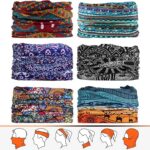
- Gaiter (1)
- Gloves/mittens (1)
-
This is where most people underestimate safari. You’re thinking Africa = hot. And yes, midday can get warm, but those pre-dawn game drives in an open vehicle? Freezing. I cannot stress this enough. Pack your layers!
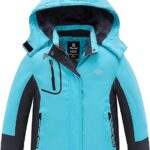
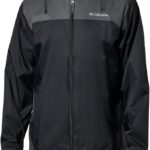
A light jacket would be a smaller jacket to wear, especially in the morning when it’s colder. I would recommend having a hood as well.
 |  |  |  |
|---|
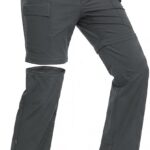
For pants, you can wear shorts or pants depending on your temperature preference. I usually wore pants or capris myself, but others also wore those pants that you can unzip and turn into pants. That way you have the best of both worlds.
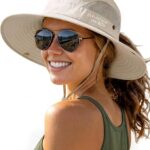
For a hat, I recommend something that helps it attach to your head. I put an example one with the chin strap, and also a hole for pony tails. However, sometimes I wore just a regular baseball cap, but it’s nice to have the brim on the side as well.
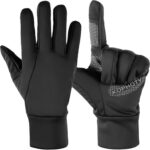
I know gloves sounds weird, but in the morning, it can be really cold! I have the kind with the touch screen fingers so I could still use my phone.
 |  |  |  |
|---|
Everyday Clothes
The name of the game here is lightweight, moisture-wicking, and neutral. You’re going to be alternating
between cold mornings, blazing afternoons, and cozy lodge evenings. Versatility wins. How many you want to bring for these is up to you but remember lodges have laundry.
- Shirts
- Shorts
- Pants
- At least one nicer outfit for dinner if you wanted
- Pajamas
- Bathing Suit
- Underwear
- Socks
This section is more for your standard clothes you’d bring on any trip.
Footwear
- Closed Toe Walking Shoes
- Sandals or flip flops
You’ll want the closed toed shoes for the nature walks and the open toed for trips to the pool!
Health and Protection
Okay, I’m going to get slightly serious for a moment because this section genuinely matters. You’re often in
remote areas, far from any pharmacy. Don’t skip this part of your safari packing checklist — your future self
will thank you!
- Sunscreen
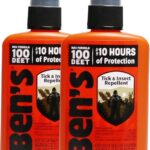
- DEET insect repellent
- Malaria medication (if in malaria zones)
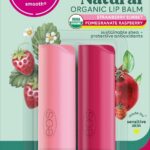
- Chapstick/lip balm
- Hand Sanitizer
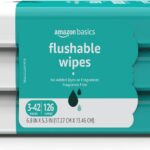
- Wet wipes
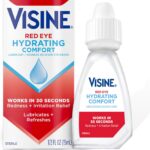
- Eye drops
 |  |  |  |
|---|
You’ll want insect repellent and sunscreen to protect yourself. You can also use sunscreen shirts.
For Malaria, it’s not needed for all trips. Talk with your doctor and see if where you’re going is in a malaria zone.
It can be dry, and with the dust, having some chapstick or lip balm is really helpful for your lips and eye drops for your eyes. Also because of the dust, you might want some hand sanitizer or wet wipes to keep with you.
Photography and Gear
Listen, I get it — your phone takes amazing photos. And for close encounters at the lodge waterhole,
absolutely use it. But when a leopard is lounging in a tree 80 meters away, you are going to wish you had
zoom. This is the one area where I’d encourage you to invest a little if you can. Did you know you can often
rent camera lenses? Just search your city + ‘lens rental’ and see what’s available! I’ve rented a zoom lens, but you can also rent the body. You can practice at the zoo!
- Camera with at least 300 mm lens recommended
- Extra memory cards
- Extra camera battery
- Lens cleaning cloth
- Binoculars
- Power bank
- Car charger
- Dashboard mount
 |  |  |  |
|---|
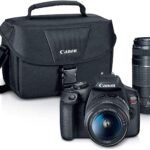
Most people would be fine with their camera phones or a generic point-and-shoot, but for wildlife, I really recommend bringing a DSLR or Mirrorless. My zoom lens was 75-300, and honestly, I would’ve loved a little more zoom as well. This is the bundle I first had, although I did upgrade to mirrorless, so just do with this information as you will.
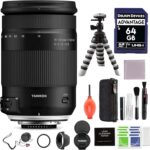
Did you know you can rent a camera lens? Just search your city and “lens rental” to see! I’ve actually rented that Tamron 18-400 a few times from my local store, and now thinking about just buying it since it’s so versatile.
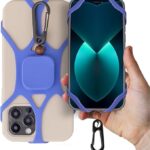
Phone leash is really helpful since it has a clip and a retractable string. My friend lost his phone in Svalbard, so it can def happen and that leash is secure.
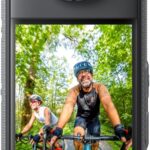
And last is my new 360 camera! I love the pics it takes and I have a short guide about them.
 |  |  |  |
|---|
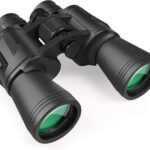
For binoculars, I would just caution not to be too heavy. I’ve never brought before but if you don’t have a zoom camera, these might be a good backup.
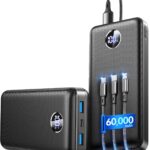
A powerbank would be incredibly useful when you’re out most of the day. I would make sure to get at least 20,000, but the one I linked to is 60,000 and also has diff port attachments.
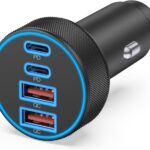
A car charger could make you very popular as well! You can plug into the cigarette adaptor of the car or transportation and charge! Get a multo point and be popular with your other travellers!
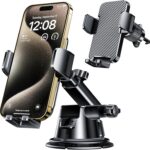
I don’t think you’d need a car mount most days, but it’s helpful if you want to get some B roll of just the car trundling along on the safari. Can get lucky with some animal crossings too!
Optional Extras
These aren’t mandatory, but they can genuinely elevate your experience.
- Travel Journal
- Field Guide
- Head lamp
- Resusable Water Bottle
 Version 1.0.0 | 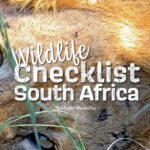 Version 1.0.0 | 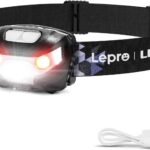 | 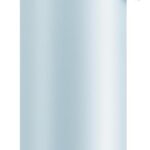 |
|---|
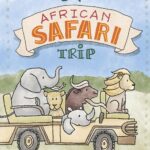
For the travel journal, if you book your safari with me, then I send to you with your final documents! I made it because I used to be a teacher, and I think it’s a nice balance of fun and education. Edutainment! It has info, fun facts, wildlife checklists, places for notes, bingos, and blank pages for jounralling! I also send stickers, but those aren’t available on the Amazon ones.
A field guide could also be helpful because it will have a more wildlife to learn about and check off.
Headlamps probably aren’t a requirement as you can also use the light on your phone, but could come in handy.
A reusable water bottle is also a great way to stay hydrated. I would check to make sure that it’s insulated so it can stay cool. Or if you’re a hot beverage lover like coffee, tea, or hot chocolate, then make sure it’ll keep its heat!
Seasonal Considerations
The core packing list above applies year-round, but here’s what shifts depending on when you travel.
Seasons vary by region — East Africa (Kenya, Tanzania) and Southern Africa (Botswana, Zimbabwe,
Zambia, South Africa) follow broadly similar patterns, but always check your specific destination.
DRY SEASON (roughly June – October)
Peak season for a reason — thinner vegetation means better wildlife sightings, and animals gather at water
sources making game viewing incredibly predictable. But it is cold on those early drives and dusty all day
long.
Prioritize your fleece, gloves, neck gaiter, eye drops, nasal saline, and extra lens cleaning supplies. Dust is
relentless.
GREEN / WET SEASON (roughly November – May)
Lush landscapes, newborn animals everywhere, migratory birds in full force, smaller crowds, and
significantly lower prices. Many experienced travelers actually prefer it! The trade-off is rain and higher
mosquito activity.
Prioritize your rain jacket, dry bag, extra DEET, quick-dry fabrics, and sandals with grip (muddy paths are
real).
Well, I certainly hope this helps you feel ready for the adventure of a lifetime! If you have questions about planning
your safari or want help booking, I’d love to hear from you.