
Kenya on Summer Break: A Teacher’s Guide to Planning a Safari Around the School Calendar
Every teacher knows the particular math of summer: about ten weeks of freedom, a paycheck
that has to stretch across all of them, and a long list of places that never fit into a spring break.
Kenya sits near the top of that list for a lot of educators, and for good reason. The country’s best
wildlife season lines up almost perfectly with the American school vacation, and well organized
easier to plan around than a trip pieced together from a dozen separate bookings.
What follows is a practical look at timing, money, and two stops that most first-time visitors skip,
along with a few ideas for turning the whole thing into material your students will still be talking
about in October.
Need help planning your own safari? – Email me! Safaris are one of my specialties as a travel agent!
Check out my Guided Activity Journal for Safaris
Check out Exoticca’s Offerings
Why the School Summer Lines Up With Kenya’s Best Season
Kenya has two rainy periods: the long rains from roughly March to May and a shorter, lighter
spell around November and December. The stretch in between, from June through October, is
the dry season, and it happens to start right as most American districts close for the year. Dry
weather matters on safari for a simple reason. As grass thins out and seasonal water holes
shrink, animals gather around rivers and permanent pools, which makes them much easier to
find. Dirt roads stay passable, mosquito numbers drop, and the mornings on the high plateau
are cool enough that you will want a fleece before sunrise.
The catch is that you will not be the only one who noticed. July and August are peak months,
when lodges fill early and prices sit at their highest. Teachers with a little flexibility can take
advantage of late August, when many families have already flown home. Booking six to nine
months out is a sensible target, which conveniently lands right around winter break, when there
is finally time to sit down and compare itineraries.
Setting a Budget That Holds Up Once You Land
Safari prices can look alarming at first glance, but the sticker figure on a package usually covers
far more than it seems. Most bundled itineraries include international flights, hotels, transfers
between parks, guided drives, and some meals, which removes a lot of the small costs that
quietly add up on an independent trip. A ten day route is the common length, and it is enough to
see the major parks without feeling rushed.
What a package rarely covers is worth listing before you commit. Kenya requires an Electronic
Travel Authorization for US visitors, which is applied for online before departure. Tips for drivers,
guides, and camp staff are customary and should be set aside in cash. Travel insurance,
vaccinations, and malaria tablets belong on the list too, so a visit to a travel clinic a couple of
months ahead makes sense. Optional extras, such as a sunrise balloon flight or a village visit,
are usually paid locally. Add those items to a spreadsheet next to the package price and you will
have an honest number to save toward, one paycheck at a time.
Samburu and the Animals Your Students Won’t Recognize
Most first-time itineraries focus on the famous southern parks, but the dry north offers
something different. Samburu National Reserve sits along the Ewaso Ng’iro River, a strip of
green winding through semi-desert country, and it is home to a group of animals that guides call
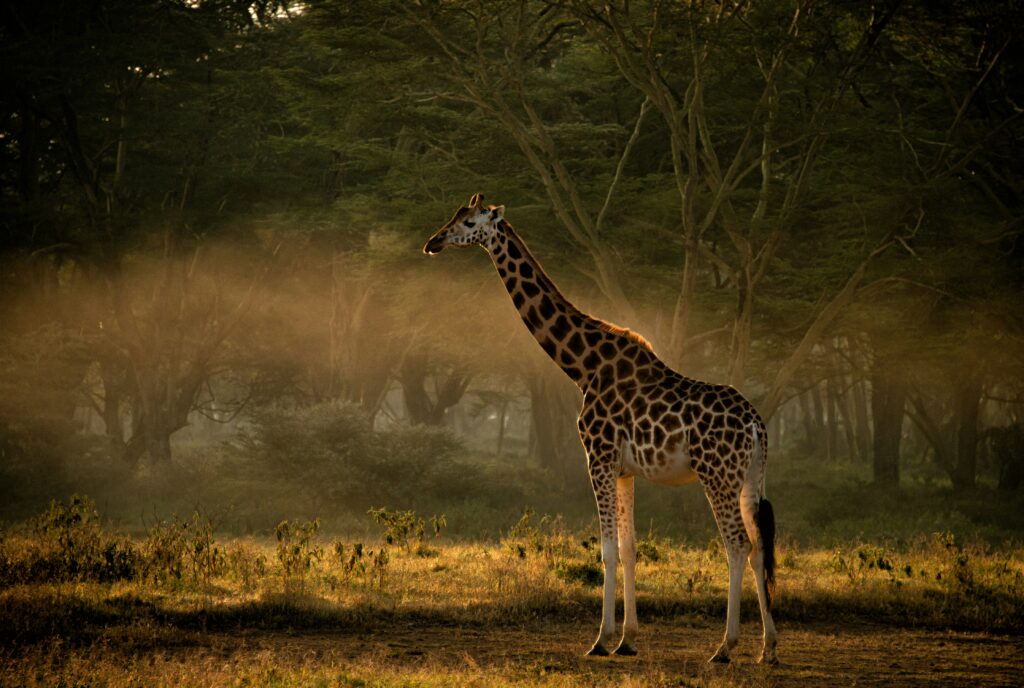
the Samburu Special Five. The reticulated giraffe wears a crisp net pattern instead of the
blotchy patches seen further south. Grevy’s zebra stands taller than its plains cousin, with thin
stripes and oversized rounded ears. Then come the beisa oryx, with long straight horns; the
Somali ostrich, whose males have blue-grey legs and necks; and the gerenuk, a slender
antelope that stands on its hind legs to reach acacia leaves.
For a teacher, this is gold. These are species that rarely appear in children’s books, which
makes them perfect for lessons on adaptation, since nearly every trait ties back to surviving
heat and scarce water. The reserve also carries the name of the Samburu people, pastoralists
closely related to the Maasai, adding a cultural layer that fits easily into a social studies unit.
Mombasa’s Old Town as a Living History Lesson
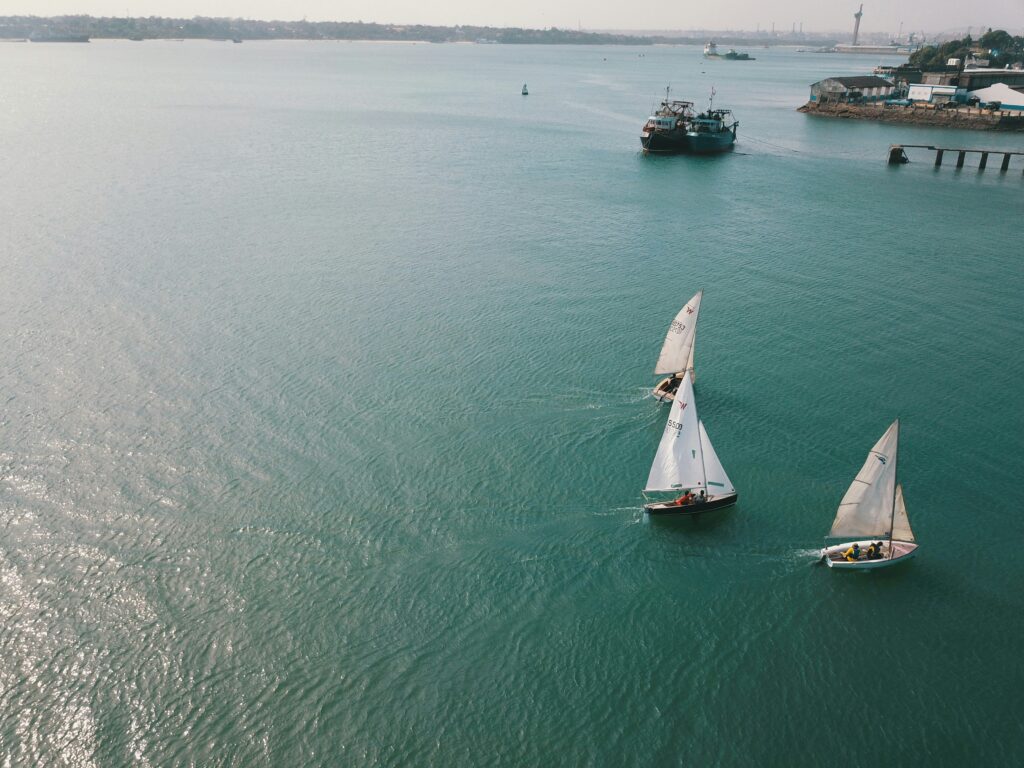
Kenya’s coast tells a completely different story from its savannahs. Mombasa has been a
trading port for centuries, linking East Africa with Arabia, Persia, and India long before European
ships arrived, and the Swahili language itself grew out of those contacts. Fort Jesus, built by the
Portuguese in the 1590s to control the harbor, still guards the entrance to the Old Town and is
recognized by UNESCO as a World Heritage Site. Walking its walls gives a clear, physical
sense of how many powers fought over this stretch of the Indian Ocean.
Beyond the fort, the Old Town’s narrow lanes are lined with carved wooden doors, balconies,
and small mosques that reflect Arab, Indian, and African influences side by side. Mombasa was
also the starting point of the Uganda Railway at the end of the nineteenth century, a project built
largely by workers brought from India, whose descendants still live in the city. Few places offer
such a compact lesson in trade, colonial history, and cultural mixing, and a single guided
morning covers most of it.
Bringing Kenya Back Into the Classroom
The trip does not really end when you land back home, at least not for a teacher. A little
preparation before departure makes the return far more useful. Keep a short daily journal with
the date, location, weather, and the animals you saw, which later becomes a ready-made data
set for graphing or map work. Photograph ordinary things as well as the dramatic ones: a
market stall, a school sign, a matatu minibus painted in bright colors. Those everyday images
often start the best class discussions.
Learning a handful of Swahili words before you go pays off twice. Greetings like jambo and
asante sana open doors while you are traveling, and they make an easy opening activity in
September. Some teachers bring back inexpensive items such as beaded bracelets or a kikoi
cloth to pass around during a lesson, which gives students something to hold while they listen.
Most of all, share the questions you asked and the answers you got. Students tend to remember
a teacher’s curiosity far longer than any single fact, and a summer in Kenya supplies plenty of
both.